

Corruption Of The Soul South Africa At A Moral Crossroads “What counts in life is not the mere fact that we have lived. It is what difference we have made to the lives of others that will determine the significance of the life we lead.” – Nelson Mandela Corruption in South Africa has reached a point where it can no longer be understood purely as a political or economic problem. It has become something far deeper—an erosion of conscience, a crisis of values, a corruption of the soul. When we look at the looting of Tembisa Hospital, the ongoing police scandals, procurement fraud across municipalities, and the networks of individuals siphoning off resources meant to uplift the poor, we are witnessing not only the collapse of systems, but the collapse of inner moral architecture. Corruption does not begin with a bribe, a fraudulent invoice, or a dodgy tender. It begins long before that—in the quiet places of the human heart. Psychology teaches that people rarely see themselves as wrongdoers. They rationalise their actions, give them softer names, or convince themselves that “everyone else is doing it”. This inner rationalisation is often driven by insecurity, the hunger for power or validation, the desire for wealth, and the mistaken belief that status defines worth. Some individuals rise into positions of influence precisely because environments of corruption reward manipulation, entitlement, and a lack of empathy. Corruption typically grows gradually: a small compromise here, a favour there, until a person’s moral sensitivity becomes numb. Yet the soul does not corrupt in isolation. Society plays a powerful role. When corruption becomes normalised—when it is joked about, expected, or even admired—it creates an ecosystem where dishonesty thrives. Weak accountability, political impunity, fear of whistle-blowers, and extreme inequality intensify the problem. Many commit unethical acts believing they will never be held responsible, or because circumstances pressure them into shortcuts for survival. These are the conditions that allow scandals like Tembisa Hospital to happen, where those entrusted with public resources forget the people they were meant to serve. President Cyril Ramaphosa’s call for a National Dialogue and a renewed Social Contract arises from this reality. It acknowledges that South Africa’s problems are not simply structural, but moral. Nelson Mandela and the Elders understood this long ago. For them, freedom was never only about dismantling apartheid—it was equally about building a society grounded in conscience, dignity, service, and Ubuntu. Their vision of moral regeneration was not a luxury. It was a necessity for national survival. To repair South Africa’s moral fabric, the transformation must begin within individuals. Integrity is not just about following rules; it is about aligning one’s inner values with one’s actions—even when nobody is watching. It demands the courage to be honest, the discipline to resist selfishness, and the humility to acknowledge personal weaknesses. Self-reflection is essential. Every citizen must examine the “small corruptions” in everyday life—cutting corners, bribing traffic officers, abusing connections, or remaining silent in the face of wrongdoing. Greed, one of the deepest spiritual diseases, can only be cured through contentment, discipline, and simplicity. But inner change alone is insufficient. Communities and institutions must cultivate a culture of integrity. Children must learn not only mathematics and science, but ethics, empathy, and civic responsibility. Role models—teachers, spiritual leaders, businesspeople, politicians—should embody the values they promote. Whistle-blowers, who are often the moral guardians of society, must be protected rather than punished. And social bonds must be rebuilt, because corruption thrives where trust has collapsed. There is hope. Other nations have shown that real transformation is possible. Singapore overcame entrenched corruption through transparent governance, strict accountability, and a culture of national discipline. Rwanda rebuilt itself by promoting civic values, national unity, and community service. Georgia reformed its police force from the ground up, eliminating everyday bribery through bold, transparent reforms. In each of these examples, the change was both structural and spiritual. South Africa now stands at a fork in the road. If corruption is confronted with seriousness, courage, and moral clarity, the country could enter a new era of economic renewal and social harmony. Public services would improve, hospitals would function properly, police would serve communities rather than exploit them, and young people would thrive in an environment where hard work—not political connections—determines success. Trust could be restored. Ubuntu revived. And South Africa could become a continental and global example of ethical leadership. But if corruption continues unchecked, the consequences will be dire. More hospitals will collapse. Schools will decay. Municipalities will fail to deliver. Inequality will deepen. Skilled professionals will continue to leave the country. Communities will lose faith in the justice system, leading to vigilantism and instability. The economy will stagnate. And ultimately, the country will face not only material decline, but a spiritual collapse—a nation drained of dignity, unity, and hope. South Africa does not need another commission or inquiry. It needs a moral awakening—a renewal of conscience, a rediscovery of Ubuntu, a collective commitment to justice and truth. This is what Ramaphosa’s national dialogue must aim to achieve. This is what Mandela and the Elders envisioned. And this is what the future of the nation depends on. The corruption of the soul is not irreversible. A nation can reclaim its moral centre. A people can rediscover their integrity. But the turning point begins with one question—one that every South African must now ask: Will we allow corruption to define our future, or will we choose the path of moral regeneration and national healing? The answer will determine the destiny of South Africa. Blogs & Updates Chapter 7: The River’s Fury admin12 September, 2025 CHAPTER TWO: The Underwater City Wandile7 July, 2025 Mental Well-Being in South Africa: Wandile8 July, 2025 Load More

UbuntuCare: Restoring Wholeness Through African Values
UbuntuCare: Restoring Wholeness Through African Values What is happiness? It feels universal, this yearning for joy, contentment, a life well-lived. Yet, the path to finding it, and even the definition itself, shifts dramatically depending on where you stand in the world, and even how you perceive yourself. Today, we’re embarking on a fascinating journey across continents and consciousness to explore the multifaceted gem we call happiness. Defining Happiness Across Traditions Western Lens: Here, happiness often wears the clothes of subjective well-being. It’s about feeling good (positive emotions), functioning well (life satisfaction, purpose), and often, personal achievement. It’s frequently seen as an individual state, something to pursue and attain. In Vedic philosophy, happiness — or ānanda — is seen as a natural quality of the self, not something we acquire but something we uncover. It’s lasting, self-sufficient, and connected to our inner spiritual identity. African Perspectives: Think community, harmony, and belonging. Happiness (Ubuntu in Southern Africa, concepts like Ayoola in Yoruba meaning “joy of life/wealth”) is intrinsically linked to strong social bonds, fulfilling one’s role within the group, collective well-being, and living in balance with nature and ancestors. “I am because we are.” For the Mayan people, happiness (K’uh) was linked to balance — between humans, the cosmos, and nature. Living in harmony with cycles, respecting the Earth, and fulfilling one’s role in the community was the foundation of joy. Layers of Happiness – Ancient Insights, Modern Terms Philosophers have long dissected happiness: Transactional Happiness: Joy derived from acquiring things, experiences, or meeting basic needs (“I got the job!” “This meal is delicious!”). Immediate but fleeting. Relational Happiness: Joy stemming from deep connections, love, friendship, and community belonging. More stable and fulfilling than transactional joy. Transcendent Happiness: A profound sense of peace, purpose, and fulfilment that arises from self-discovery, meaning-making, and connecting to something larger than oneself (nature, humanity, creativity, a sense of the infinite). This is considered the deepest and most sustainable. Happiness from being a lover of God This echoes the distinction between Material Happiness (dependent on external conditions, possessions, status) and Spiritual/Existential Happiness (arising from inner growth, values, connection, purpose – less dependent on shifting external circumstances). Think Maslow’s Hierarchy: Once basic needs (physiological, safety) are met, we seek love/belonging, esteem, and finally, self-actualisation – that peak of realisation of potential and finding deep meaning, aligning closely with transcendent happiness. Where Does Happiness Reside? Body, Mind, Intellect, Soul The Spiritual Classic text, the Bhagavad Gita, describes happiness influenced by three fundamental energies or “modes”: Passionate Energy (Rajas): Happiness driven by intense activity, desire, acquisition. Exciting but exhausting, often leading to restlessness and dissatisfaction once the thrill fades. (Transactional focus). Balanced Energy (Sattva): Happiness characterised by clarity, peace, harmony, contentment. Comes from duty, knowledge, balance, and genuine connection. (Relational & early Transcendent). Inert Energy (Tamas): Happiness rooted in inertia, ignorance, avoidance – like the comfort of sleep or numbness. Ultimately leads to stagnation and dullness. Further, happiness is experienced through different layers of our being: Body: Pleasure, comfort, health (e.g., a warm bath, good food, feeling strong). Vital but superficial. Mind: Emotional joy, excitement, relief, affection. Deeper than the body, but still fluctuating with circumstances. Intellect: Satisfaction from achievement, solving problems, gaining knowledge, understanding. More stable than emotions. Soul (Spiritual Core): The deepest wellspring – unconditional peace, bliss, and contentment arising from self-realisation, connection to the whole, and living in alignment with one’s true nature. This is the essence of transcendent, spiritual happiness – less affected by external ups and downs. Culture Clash: Individual Joy vs. Collective Harmony Research highlights a fascinating cultural divide in happiness paradigms: American Paradigm: Often emphasises individual achievement, self-expression, standing out, and personal positive emotion as key to happiness. “Pursue your own dream!” Happiness is seen as an individual right and responsibility. Japanese Paradigm: Leans heavily towards interdependence, social harmony, fulfilling roles, and maintaining group cohesion. Here’s the crucial insight: Many Japanese individuals report feeling happier when those around them are happy, and can actually feel uncomfortable or even unhappy if they experience personal success or joy that disrupts the group harmony or makes others feel left behind. Their happiness is deeply embedded in the collective well-being. This starkly contrasts with the Western focus on individual attainment as the primary happiness driver. It powerfully illustrates the African concept of Ubuntu – “I am because we are” – manifesting in a modern, industrialised society. UbuntuCare: A Framework for Mental Wellness Following our exploration of personhood and its intricate link to mental wellness across diverse cultures, particularly within the African context, it’s natural to delve deeper into a philosophy that encapsulates much of the African understanding of being: Ubuntu. In South Africa, and across the continent, Ubuntu isn’t just a concept; it’s a living framework that profoundly shapes our identities, our care systems, and our approach to mental well-being, a concept we can call UbuntuCare. The philosophy of Ubuntu, captured in the Nguni proverb “umuntu ngumuntu ngabantu” (a person is a person through other people), isn’t limited to Southern Africa. It’s a foundational belief with parallels across the continent. In Botswana and Lesotho, it’s known as Botho as well as in Sotho-Tswana cultures. Botho emphasises respect, good manners, and a sense of collective responsibility. It guides social interactions and the expectation that every individual contributes positively to their community. In Zimbabwe and parts of Mozambique, the Shona people use the term Vumunhu, which also stresses empathy, humanity, and a person’s role in society. Similarly, in Tanzania, the Swahili term Ujamaa means “familyhood” or “brotherhood,” promoting communal living and the idea that a community’s welfare is the foundation of individual prosperity. In Uganda, the Buganda kingdom has the term Obuntu, which shares the same core meaning of mutual respect and interconnectedness. These terms underscore a shared, pan-African philosophical foundation that emphasises communalism over radical individualism. Our identities are not formed in isolation but are deeply intertwined with our relationships, our families, our clans, and our communities. This understanding directly contrasts with some Western individualistic perspectives where

Personhood and Mental Wellness
Personhood and Mental Wellness In our previous article, we explored how the concept of “mental” is shaped by language, culture, and worldview. We saw how African understandings of the mind—rooted in community, ancestry, and spirituality—offer a holistic alternative to the Western model of mental health. This next part of the journey takes us deeper into the idea of personhood—how different cultures and philosophies define what it means to be a person. This foundation is critical because how we define the person directly affects how we approach mental wellness. In South Africa, the issue of mental wellness is stark. According to a Stellenbosch University report, a staggering one-third of South Africans experience a mental health condition, with over 27% affected by depression. Yet, only 5% of the national healthcare budget is allocated to mental health services, a damning indictment of the prioritisation of this critical aspect of well-being. The Sapien Labs’ Mental State of the World in 2024 report ranks South Africa 69th out of 71 countries for mental well-being, with 35% of respondents reporting distress or struggling. These figures highlight a crisis, and at its heart, we must consider how our collective and individual understandings of “who we are” contribute to both the challenges and potential solutions. This article serves as an introduction to the rich and complex concept of personhood. In subsequent pieces, we will unpack various theories, but for now, let’s lay the groundwork. What is Personhood? Origins, Etymology, and Evolution At its simplest, personhood refers to the status of being a person. But what does that truly mean? The definition is notoriously difficult to pin down universally, as it’s deeply entwined with historical, cultural, and philosophical contexts. The word “person” itself has a fascinating etymology. It originates from the Latin word persona, which initially referred to an actor’s mask used in ancient Greek and Roman theatre (prosopon in Greek, meaning “face”). This mask denoted the character or role an actor played. Over time, persona evolved to signify not just the role, but the individual acting it out—an individual human being. In the Roman legal system, persona took on a juridical sense, expressing a kind of dignity and recognising legal rights. For Romans, only a citizen was considered a persona, a subject of law with rights and duties. Slaves or non-Roman citizens were non-personae. With the advent of Christianity, the concept of personhood deepened, influenced by theological discussions about the nature of Christ and the Holy Trinity. Tertullian, an early Christian theologian, helped refine the terminology, contributing to the idea of one substance in three persons (God). This ultimately led to the understanding of each individual human being, created in the image of God, as also being a person with inherent dignity. In modernity, the concept of personhood continues to be debated in philosophy and law, often in relation to issues like abortion, euthanasia, and artificial intelligence. Modern definitions often include capacities such as rationality, self-awareness, agency, a sense of past and future, and the possession of rights and duties. However, creating fixed criteria proves challenging, as they can be arbitrary, culturally specific, and difficult to operationalise. Personhood Across the Globe: South Africa, Africa, and Beyond The understanding of personhood varies significantly across cultures, and these diverse views profoundly impact mental wellness and how we approach care. South Africa and the African Context In South Africa, and indeed much of Sub-Saharan Africa, the concept of personhood is heavily influenced by the philosophy of Ubuntu. Often translated as “I am because we are,” or “a person is a person through other persons,” Ubuntu emphasises communality, interconnectedness, and moral achievement. It’s not merely an empirical claim about our dependence on others for survival; it’s a normative account of what it means to be truly human. From an Ubuntu perspective, personhood is not an inherent quality granted at birth, but something achieved through moral development, participation in the community, and upholding virtues like hospitality, compassion, and respect. Elders are often seen as “more person” due to their accumulated wisdom and contribution to the community. This contrasts sharply with individualistic Western notions of personhood. Research suggests that many African cultures promote a relational-oriented personhood, where an individual’s identity is shaped by their connections to spiritual agency (God, ancestors, spirits) and social agency (family, clan, community). This distinctive form of personhood underpins understandings of the “normal” person, mental illness, help-seeking behaviour, and client expectations in therapeutic settings. The Rest of the World Greco-Roman View: As mentioned, the early Greco-Roman concept of persona was tied to social roles (masks) and legal status (Roman citizen). While Greek philosophy, particularly Socratic, Platonic, and Aristotelian thought, explored the individual’s soul and reason, the emphasis was often on the polis (city-state) and one’s role within it. Roman realism in art, particularly portraiture, did highlight individual character, but the legal concept of persona was highly stratified. Buddhism: In Buddhism, particularly the concept of “no-self” or anatta (in Pali), challenges the notion of a fixed, permanent self or soul. It posits that experience is fluid, ever-changing, and lacks a solid, independent core. While this doesn’t mean non-existence, it emphasises that what we perceive as “self” is a collection of interdependent processes and aggregates (form, feeling, perception, mental formations, consciousness). The goal is to release attachment to a fixed identity, leading to inner freedom and mental peace. Vedanta (Hinduism): Advaita Vedanta, a prominent school of Hindu philosophy, also explores the nature of the self. While some interpretations might suggest a liberation from personhood as an illusion, other views emphasise the oneness of the individual self (Atman) with the ultimate reality (Brahman). This “oneness” can be seen as a union of beings who are in a relationship, acknowledging a deeper, interconnected self beyond egoic identification. The aim is often to realise the true nature of the Self, transcending the limitations of individual suffering. South American Indigenous Cultures: Pre-Columbian indigenous cultures in the Andean region, like the Quechua people, often perceived personhood as intricately linked with the natural world and the community’s

The Banokeng – The Legend Begins
The Legend Begins… PROLUGUE The Legend of the Banokeng – The River People Facebook-f Twitter Instagram The Limpopo River shimmered under the golden embrace of the setting sun, its winding path carving through the land like a living vein pulsing with ancient energy. For centuries, the Banokeng people, the River People, had walked its banks, their lives intertwined with its ebb and flow, their fate bound to its currents. Legends spoke of how their ancestors had crossed the great Oodi River, splintering from the greater Sotho-Tswana group, forging their own path where the waters called them home. While others sought power in the plains or the mountains, the Banokeng followed the sacred whispers of the river, venerating it as the giver of life, the keeper of wisdom, and the gateway to the unknown. Phofhu, the greatest of their chiefs, had led them southward, establishing a kingdom where reeds swayed like dancers and crocodiles basked in the sun as silent sentinels. It was here, in the heart of the river’s embrace, that the Banokeng flourished. Their people fished and farmed, crafted and traded, their influence stretching beyond the waters, connecting them to the bustling trade networks of Mapungubwe and other kingdoms of the south. They bartered ivory, gold, and wisdom, their name whispered with reverence across the land. But power, like the river itself, was unpredictable. “When others chose land, we chose the river. In its flow, we saw not just water, but the path of destiny.” The turning point came on a night when the moon was swallowed by darkness. King Thubega and his queen, Marathwane, had ventured to the river’s edge for the sacred offering, a ritual passed down through generations. The waters churned violently, and from the depths emerged a creature unlike any other, its form glistening in the moonlight, its eyes burning with ancient knowledge. In a single moment, the river consumed them, pulling them beneath its depths. For a year, the kingdom mourned. A year of wails carried on the wind, of elders whispering in hushed tones, of a people left leaderless and lost. The river was silent, refusing to reveal its secrets. But then, just as suddenly as they had vanished, the king and queen reemerged from the river’s depths. They were changed—eyes alight with wisdom beyond the mortal realm, their bodies radiating an aura of power. They spoke of a world beneath the river, a vast underwater kingdom where gods of water had granted them lost knowledge of their ancestors, of healing arts that could cure any ailment, of technology and wisdom meant to elevate their people beyond imagination. The river gods, keepers of ancient power, had chosen them to prepare the Banokeng for the coming age. They had been tested, taught the secrets of the deep, and purified by waters untouched by time. When they returned, they did not come empty-handed. With them, they brought newfound strength—a mastery of agriculture that allowed their lands to flourish even in drought, medicinal knowledge that extended life and healed the gravely ill, and the wisdom of the cosmos, which allowed them to predict the shifting tides of history. From that moment on, the Banokeng grew into a force unlike any seen before. Their kingdom thrived, their influence spread, and their wisdom became legend. They wove their knowledge into the land, constructing grand water temples where the river gods were honored, and where scholars and seers studied the eternal flow of life. Their warriors bore the marks of the water, moving like liquid shadow, striking with the force of a flood. They became a people of unmatched resilience, forever tied to the lifeblood of the Limpopo. But as the tides of time shifted, so too did their fate. The whispers of the river foretold of storms to come—of foreign invaders with fire-spewing weapons, of kingdoms falling, of a new world order that threatened their very existence. The settlers arrived with their iron-fisted rule, and later, apartheid sought to erase them. Foreseeing these changes, the Banokeng made a fateful decision. Some would remain, bearing the storm that was to come, while others would journey into the unknown, seeking refuge in lands across the seas, blending into the nations that would shape the future. It was a decision made not in fear, but in strategy. The Banokeng believed in time, in the cyclical nature of history. They knew that power waned and waxed like the moon, that nothing truly disappeared but only lay dormant, waiting for its moment to rise once more. Their descendants were sent into exile—not as refugees, but as silent warriors, embedding themselves within the very fabric of foreign nations, learning their ways, their technologies, their weaknesses. Some intermarried with the settlers, ensuring that their bloodline would endure. Others forged paths in business, academia, and politics, all while holding onto the ancestral knowledge passed through whispers and sacred texts. Now, in the modern world, their descendants stir once more. Some return from exile, carrying knowledge and wealth gathered from distant lands. Others rise from within, emerging from the shadows of history, reclaiming their legacy. The land once forsaken has welcomed them back. The Banokeng, with foresight and patience, have reacquired their ancestral lands—rich in minerals and fossil fuels. From this wealth, they have built a powerful community, one that rivals the economic might of any modern corporation. A great Lekgotla has been called. The elders, the business people, the scholars, and the warriors of the modern era have gathered to plan the future. What was once scattered must now be united. The world has changed, but the river still flows, whispering of a destiny yet to unfold. The Banokeng did not disappear. They simply waited. And now, their time has come again. TUNE IN NEXT WEEK FOR ANOTHER EPISODE…. Podcast Banokeng Sipho’s Jouney Storytelling Facebook Twitter Youtube Instagram Subscribe for latest updates Subscription Form Δ Subscribe
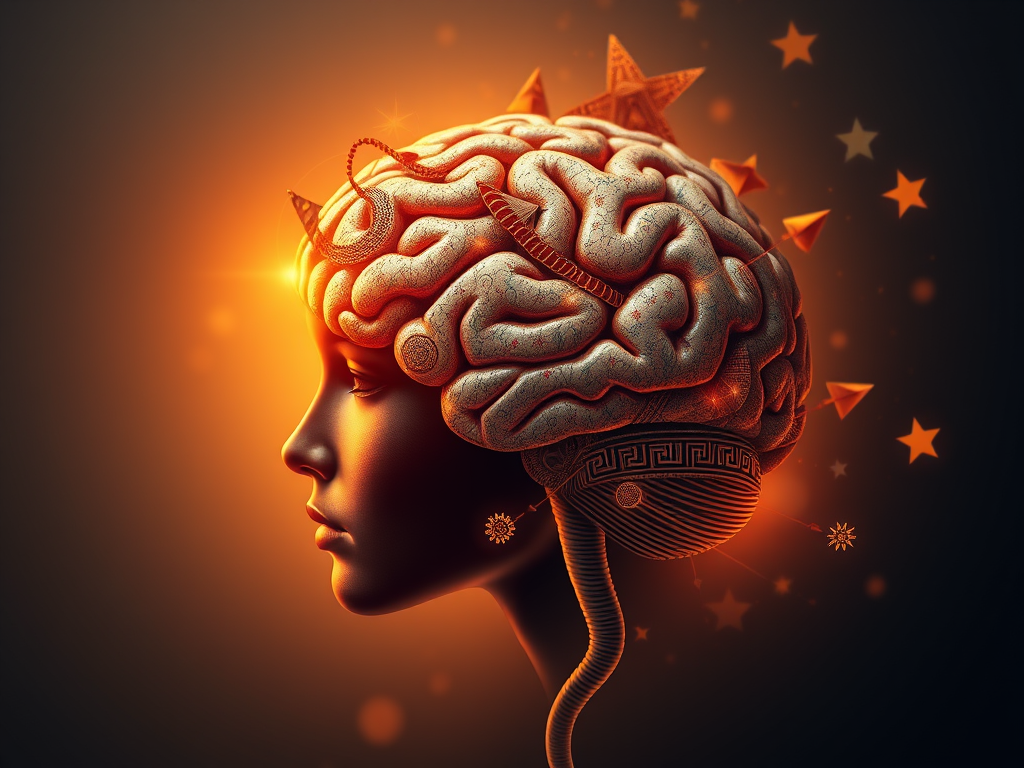
A Cross-Cultural Exploration of the Mind
A Cross-Cultural Exploration of the Mind Mental wellness is a universal concern, yet how societies perceive, diagnose, and treat mental health issues varies widely. In South Africa, mental health struggles are compounded by socioeconomic disparities, historical trauma, and limited access to care. According to the South African Depression and Anxiety Group (SADAG), 1 in 3 South Africans will experience a mental health disorder in their lifetime, yet only 1 in 10 receive treatment. Comparatively, the World Health Organization (WHO) reports that depression affects 280 million people globally, with higher-income countries having better (though still insufficient) mental health infrastructure. This article explores mental wellness through the lens of cultural and philosophical definitions of the mind, tracing its etymology, comparing global theories, and examining how these perspectives shape mental health approaches worldwide. This article explores mental wellness through the lens of cultural and philosophical definitions of the mind, tracing its etymology, comparing global theories, and examining how these perspectives shape mental health approaches worldwide. The Etymology and Evolution of “Mind” The word “mind” originates from the Old English gemynd, meaning “memory, thought, intention.” Its Proto-Germanic root ga-mundiz connects to memory, while the Latin mens (as in “mental”) refers to intellect and soul. Over time, the concept evolved: Ancient Greece: Plato and Aristotle debated whether the mind (nous) was separate from the body (dualism) or an emergent property of it (materialism). Medieval Europe: The mind was tied to the soul, heavily influenced by Christian theology. Modernity: Neuroscience now views the mind as a product of brain activity, though debates on consciousness persist. This linguistic journey reveals how culture shapes our understanding of cognition and mental health. Theories of the Mind: A Global Perspective The Western (Greco-Roman) View Dualism (Descartes): The mind and body are separate; mental illness is a “soul sickness.” Materialism (Hobbes): The mind is purely physical; disorders stem from brain dysfunction. Cognitive-Behavioural Theory: Focuses on thought patterns, dominant in modern psychology. The African View of the Mind African philosophies often see the mind as interconnected with community and spirit. Key concepts: Ubuntu (“I am because we are”): Mental wellness is tied to social harmony. Ancestral Influence: Some mental illnesses are viewed as spiritual disturbances (e.g., amafufunyana in Xhosa culture). Research: A 2019 study in Transcultural Psychiatry found that 60% of South Africans consult traditional healers before psychologists, blending spiritual and biomedical approaches. Eastern Philosophies: Buddhism & Vedanta Buddhism: The mind is a stream of consciousness; suffering (dukkha) arises from attachment. Meditation and mindfulness are key to mental balance. Vedanta: The mind (manas) is distinct from the eternal self (atman). Mental disturbances stem from illusion (maya). Indigenous South American Perspectives Shamanism: Mental illness may be a spiritual imbalance cured through rituals (e.g., ayahuasca ceremonies in Amazonian cultures). Collective Healing: Like Ubuntu, Andean cultures emphasize ayni (reciprocity) in mental wellness. How These Views Impact Mental Wellness Today Treatment Approaches Western: Therapy, medication. African: Community healing, ancestral rituals. Eastern: Meditation, yoga. South American: Plant medicine, communal support. Stigma vs. Acceptance In the West, mental illness is often medicalized; in many African and Indigenous cultures, it may be spiritualized, reducing stigma but sometimes delaying clinical care. Integration in South Africa Some clinics now blend traditional healing with psychotherapy, recognizing cultural relevance. Conclusion: Toward a Holistic Understanding of Mental Wellness Mental health cannot be divorced from cultural context. South Africa’s unique position—with its blend of African, Western, and global influences—offers a model for integrative mental health care. By learning from Vedanta’s introspection, Ubuntu’s collectivism, and neuroscience’s precision, we can develop more inclusive, effective mental wellness strategies. Call to Action How does your culture view mental health? Share your thoughts—let’s broaden this conversation! Blogs & Updates A Cross-Cultural Exploration of the Mind admin16 July, 2025 Mental Well-Being in South Africa: admin8 July, 2025 The Legend Begins… admin11 July, 2025 Load More

Series
BANOKENG – The River People The Banokeng chose the river.While others sought land, they followed the Limpopo—fifty families led by a king and queen, guided by the whispers of water.“In its flow, they saw not just water, but the path of destiny.” The Legend Begins… The Legend Begins… CHAPTER ONE: The Crossing of the Limpopo… Read More 11 July, 2025 Latest Blog Posts View Archive

Posts
Welcome to My Latest Blog Posts — A Companion to the Soulful Journey Podcast. Here, I dive into topics that matter — from mental well-being and spirituality to personal growth, culture, and collective healing. I share stories, reflections, and insights drawn from over 25 years as a yogi and spiritual practitioner with African roots. Each article is paired with audio narration and designed to inform, inspire, and spark meaningful dialogue across generations and cultures. Explore. Reflect. Grow. You’re warmly invited. Mental Well-Being in South Africa: Mental Well-Being in South Africa: A Nation in Distress South… Read More 8 July, 2025 Male Mental wellness in South Africa Mind Matters for Men: A Closer Look at Male Mental… Read More 16 June, 2025 Banokeng Web Series View Archive Watch On YouTube
Mental Well-Being in South Africa:
Mental Well-Being in South Africa: A Nation in Distress South Africa is a nation with an extraordinary story — rich in diversity, yet shadowed by trauma. From apartheid scars to economic inequality, from cultural fragmentation to spiritual revival — the mental well-being of its people has never been more important, or more fragile. While the conversation around mental health is growing globally, South Africans — across race, class, gender, and religion — are still grappling with deep emotional wounds, societal pressures, and spiritual contradictions. And yet, within this complexity lies the potential for a unique, Afrocentric model of healing, rooted in the ancient wisdom of Ubuntu and modern psychological insight. The South African Mind: A History of Suppression and Survival 1. Colonialism and Apartheid: Psychological Warfare Mental wellness in South Africa cannot be discussed without tracing the brutal psychological impact of: Colonial rule, which dehumanised indigenous identities Apartheid, which weaponised fear, separation, and shame Renowned African scholar Frantz Fanon described colonialism as “not only the interdict of the colonized’s body, but also the mutilation of their mind.” This trauma lives on — in anxiety, depression, violence, substance abuse, and suicide. “The colonised is elevated above his jungle status in proportion to his adoption of the coloniser’s cultural standards.” — Frantz Fanon 2. The African View of Mental Wellbeing: A Communal Affair Traditionally, African societies approached mental wellness holistically: It wasn’t “mental illness” but imbalance — between self, spirit, ancestors, and community. Healing often came through ritual, music, storytelling, and communal support. The individual was seen not in isolation, but as part of a living web of relations. Prof. Mogobe Ramose, a leading philosopher of Ubuntu, teaches: “To be a human being is to affirm one’s humanity by recognizing the humanity of others.” This is the Ubuntu lens — a pathway not only to social justice but to mental justice. What the Stats Say: A Country in Emotional Crisis 1 in 3 South Africans suffer from a common mental health disorder Only 27% receive any kind of treatment 80% of suicides are male, but all racial groups are affected Youth and students are increasingly vulnerable, with sharp rises in anxiety and self-harm Rural and township communities remain underserved, with limited access to psychologists or culturally relevant support South Africa spends only 5% of its health budget on mental health.In comparison, high-income countries spend 12–14%. Comparative Insight: SA, Africa, and the Global South South Africa’s mental health crisis reflects both global urban stress patterns and African socio-spiritual dislocation. But what makes it unique? Unlike much of Africa, South Africa has better access to mental health infrastructure — yet cultural stigma and economic inequality block progress. In rural Africa, traditional healing systems still function; South Africa is caught in a clash between Western psychiatry and ancestral medicine. The Global South (Latin America, India, etc.) is also exploring community-based healing, like South Africa’s own Ubuntu mental health models. Mental Wellbeing Across South Africa’s Diversity Black South Africans: Still healing from intergenerational trauma, apartheid scars, poverty, and suppressed cultural identity. Faith, music, ancestral practices, and Ubuntu offer resilience, but stigma remains high. Coloured Communities: Facing unique challenges like gang violence, addiction, and systemic neglect. Mental health services are scarce, especially for youth. Indian South Africans: Faith-based stigma (especially around suicide and shame), high expectations around success, and generational trauma are growing concerns. White South Africans: While having better access to services, many still suffer silently under pressure to “keep it together” and hide depression, especially in high-performing environments. Faith Communities: Whether Christian, Muslim, Hindu, or African Traditional, spiritual spaces often offer solace — but can also shame vulnerability, treat trauma as “sin,” or discourage therapy. Signs of Hope: Ubuntu, Healing & the Future Across the country, young people, spiritual leaders, and mental health advocates are rewriting the story: Ubuntu-based therapy models are being tested in townships and rural clinics Faith groups are embracing trauma-informed care and trained counsellors Men’s circles, women’s healing collectives, youth mental health podcasts, and online safe spaces are blossoming Studies from the University of Cape Town, WITS, and SADAG all project that if community-based mental health is expanded and integrated with schools, clinics, and cultural centres: “South Africa could reduce suicide, self-harm, and untreated depression by over 40% in the next 10 years.” Your voice matters. Speak up. Seek help. You’re not alone. If you or someone you know is in crisis, please reach out immediately to SADAG at 0800 456 789 or Lifeline South Africa at 0861 322 322. You are not alone. Need Help or Want to Learn More? Read the Full Series on Men’s Mental Wellness Listen to the Audio Version – A voice for the voiceless Find Support – Resources, circles, and conversations that heal: Read More View Archive Mental Well-Being in South Africa: https://wandifully.com/wp-content/uploads/2025/07/MENTAL-WELLNESS-2-DONE.mp3Podcast: Play in new window | DownloadSubscribe RSS | Subscribe… Read More admin8 July, 2025 Male Mental wellness in South Africa Mind Matters for Men: A Closer Look at Male Mental… Read More admin16 June, 2025

CHAPTER TWO: The Underwater City
The Legend Begins… CHAPTER TWO: The Underwater City For generations, the ritual had followed the same sacred rhythm. King Thubega and Queen Marathwane would ascend the ancient stone at the river’s edge, the air thick with the fragrance of honeycomb and the warm, earthen aroma of golden grain. But tonight, on the night of the blood moon, the river did not respond with its usual serenity. Instead, a strange, shimmering light rippled across its surface, subtle at first, then brilliant and alien. The waters foamed, churning with an unnatural energy. The Banokeng elders whispered of omens, of things that should not be disturbed on such a night. But Thubega and Marathwane did not fear the river. It was their custom to offer thanks to the waters that had sustained them. Together, they walked to the river’s edge, hands clasped, bearing gifts of ivory, grain, and honey. The people gathered, watching in silence as their king and queen stepped onto a smooth rock that jutted over the water. The moment their offering touched the surface, the river roared to life. A great river creature, unseen by mortal eyes for generations, broke through the surface, its massive shape dark against the moonlight. Before anyone could react, it wrapped itself around the king and queen and pulled them into the depths. Screams filled the air. Warriors leaped forward, but the water had already swallowed them whole. The river went silent, and the Banokeng were left to mourn and despair for a year. The elders consulted the bones, the diviners searched the stars, but the river remained mute, unwilling to reveal the fate of their beloved leaders. The land above faded as water, crystalline in its clarity, rushed around them, cold but gentle. They did not fall, but floated weightlessly, sinking deeper than any mortal could survive until the suffocating pressure dissolved into a peaceful hush. Schools of fish parted as they drifted through corridors of living coral and past pillars encrusted with lustrous shells. Light from above filtered through the depths, shimmering like liquid sunbeams. Then, before them, the water opened to reveal a city of unimaginable grandeur. The metropolis was a sprawling marvel, with grand palaces rising from aquamarine terraces and slender flows of water-laid gem-streams tracing mosaics across their walls. Towers of lapis and opal glowed with a soft, inner light. The streets were paved with pearl-white stones, and bridges of mother-of-pearl arched over canals of jade-green currents. Every surface sparkled: gold inlays, diamond dust, and gem-encrusted gates. Statues of half human, half celestial figures—river deities—stood in plazas, their expressions serene and knowing. Gardens of coral trees, whose branches glittered with gem fruit, swayed with unseen currents. From their branches hung flowers of blue, yellow, red, white, and black petals that moved as though in a silent breeze. Hundreds of birds swam overhead—not flying, but gliding beneath the waves, their plumage bright and their songs echoing through the water, pure and musical. Marathwane gasped, her eyes wide as she brushed her hand over a pillar glistening with gold-dusted pearl. Thubega felt the awe swell within him. He had pictured river gods as distant beings—but this world surpassed any imagination. The Sovereign’s Court At the far end of the hall sat the god-king: Ambupa, sovereign of sky, rain, water, and cosmic order. He was regal in every aspect, wearing a flowing robe woven of celestial threads, adorned with opals and pearls. His queen sat beside him, Waroni, resplendent in scented garlands, her skin brushed with paste of celestial fragrance, her hair crowned with water pearls. Their presence emanated calm power—their eyes soft but unflinching. Ambupa’s voice, like the soft rumble of a distant river, filled the great hall. “Thubega of the River People, and Marathwane, Mother of the Oodi river,” he said, his voice deep and filled with ancient wisdom. “You have answered the river’s call, and in doing so, have honoured the lineage of your ancestors. You have come home. What you must also understand is that your land is a point of immense cosmic power, a place where the veil between realms is thin.” Ambupa paused, allowing the weight of this revelation to settle. The king and queen, though pleasantly shocked, felt a new truth resonate within them. He continued, “This is one of the reasons the river chose you. You are both of high moral character and great integrity, spiritually elevated, and destined for a mission you are to fulfil.” Waroni offered a silent, knowing smile, a welcome in her eyes that was as warm and boundless as the sea. A profound sense of peace settled over the hall, and for a moment, all stood silent beneath the gem-trees, listening to the subtle melody of underwater birdsong. “When others chose land, we chose the river. In its flow, we saw not just water, but the path of destiny.” The Gifts of Water-Gods That initial moment of welcome stretched into a year, a span of time that passed like a single, unfolding dream beneath the waves. Ambupa and Waroni revealed a profound cosmic truth: the river had chosen them to be the new keepers of balance, bridging the divide between the water and earth-dwelling realms. Their destiny, and that of their descendants, was not just to rule their own people, but to guide a greater path for all life in their land and continent. The sovereigns prophesied that these descendants would spread across the known world, carrying the divine knowledge in their blood, remaining a secret people, hidden in plain sight until the time was right for their truth to be revealed. Together, Thubega and Marathwane embraced this shared purpose, seeing the glorious future of their kingdom in every lesson. As the months passed, they were taught the agricultural secrets of the water-gods, which were intertwined with the art of sound and chants. The sovereigns revealed that the prosperity of the earth was not born of labour alone, but of a deep harmony between the land and the

Male Mental wellness in South Africa
Mind Matters for Men: A Closer Look at Male Mental Wellness in South Africa and Beyond Mental wellness is a critical yet often overlooked part of overall health—especially for men. In South Africa, where cultural norms, economic challenges, and historical trauma intersect, men’s mental health is a growing concern. Globally, mental well-being has gained prominence, but in South Africa—and much of the African continent—men continue to suffer in silence. The Mental Health Landscape for South African Men According to the South African Depression and Anxiety Group (SADAG), men are four times more likely to die by suicide than women, yet they are significantly less likely to seek help. In 2023, the World Health Organization (WHO) ranked South Africa among the countries with the highest rates of depression and anxiety disorders on the continent. According to the South African Society of Psychiatrists, South Africa ranks 10th in the world for suicide rates, with an alarming 23.5 suicides per 100,000 people. Even more concerning is the gender disparity—of the 13,774 suicides reported in the country, a staggering 10,861 were men. These numbers highlight a deep mental health crisis, particularly among South African men, and point to the urgent need for open conversations, support systems, and accessible mental health services. Key Statistics: Suicide Rate: Men make up nearly 80% of suicide cases in South Africa. Help-Seeking Behaviour: Less than 30% of men with mental health issues seek professional assistance. Married Men: Studies indicate that while married men may have more emotional support, they still face pressure to “be strong” and may avoid vulnerability, leading to higher stress and burnout, especially when they are breadwinners. Why Are Men Struggling? Cultural expectations often dictate that men should be stoic, unemotional, and self-reliant. In many African and South African communities, a man’s worth is tied to strength, control, and productivity. This conditioning prevents men from expressing vulnerability or asking for help—even when facing trauma, depression, or anxiety. Factors contributing to mental distress in South African men include: Unemployment (especially among young men) Gender-based violence and domestic expectations Fatherlessness and broken family structures Post-apartheid identity crises and intergenerational trauma Pressure to conform to traditional masculine roles South Africa vs Africa and the World Across Africa, mental health care remains underfunded and underdeveloped, with an average of 1 psychiatrist per 500,000 people in many countries. South Africa, despite being ahead in mental health infrastructure compared to much of the continent, still battles stigma and access inequality, particularly in rural and township areas. Globally, men’s mental health has become a subject of increasing concern. For instance: In the UK, suicide is the leading cause of death for men under 50. In the USA, men account for nearly 70% of suicides. Nordic countries, often seen as progressive, also report high rates of male depression—highlighting that wealth doesn’t immunize against emotional challenges. Marriage, Masculinity, and Mental Strain Contrary to popular belief, marriage doesn’t always shield men from emotional distress. In South Africa, married men often shoulder extended family responsibilities, economic burdens, and the need to appear in control at all times. The lack of emotional outlets or support systems often leaves them isolated within their roles. A 2022 SADAG survey found: 45% of married men reported feeling emotionally overwhelmed. Only 18% of them discussed these issues with their spouses or friends. Many turn to alcohol or workaholism as coping mechanisms. Mental Health in Spiritual and Religious Circles Spiritual communities offer moral guidance and a sense of belonging—but they are not immune to mental health struggles. Many religious settings, including churches, mosques, and temples, unknowingly perpetuate stigma by: Equating depression with spiritual weakness or lack of faith. Over-spiritualizing mental illness, discouraging therapy in favor of prayer-only solutions. Shaming those who admit to suicidal thoughts or emotional struggles. Yet, change is possible. There is growing momentum in interfaith spaces across South Africa to normalize mental health discussions. Faith leaders, especially younger ones, are increasingly trained in mental health first aid and encouraging men to combine spirituality with professional support. Some African spiritual traditions and Christian churches now even host men’s circles, retreats, and support groups, creating safe spaces for emotional openness. A Call to Action Men’s mental health in South Africa is not just a private issue—it’s a national priority. Healing starts by: Normalizing conversations about emotions and mental stress. Encouraging therapy and counselling without stigma. Providing accessible, affordable mental health services—especially in male-dominated workplaces, churches, and sports communities. Educating boys from a young age that emotions are not a sign of weakness but of humanity. Conclusion South African men deserve more than silent suffering. From the pressures of masculinity and marriage to the constraints of culture and religion, their mental wellness has long been neglected. It’s time to shift the narrative—from suppression to support, from shame to strength. Your voice matters. Speak up. Seek help. You’re not alone. If you or someone you know is in crisis, please reach out immediately to SADAG at 0800 456 789 or Lifeline South Africa at 0861 322 322. You are not alone.