Mental wellness is a universal concern, yet how societies perceive, diagnose, and treat mental health issues varies widely. In South Africa, mental health struggles are compounded by socioeconomic disparities, historical trauma, and limited access to care. According to the South African Depression and Anxiety Group (SADAG), 1 in 3 South Africans will experience a mental health disorder in their lifetime, yet only 1 in 10 receive treatment. Comparatively, the World Health Organization (WHO) reports that depression affects 280 million people globally, with higher-income countries having better (though still insufficient) mental health infrastructure.
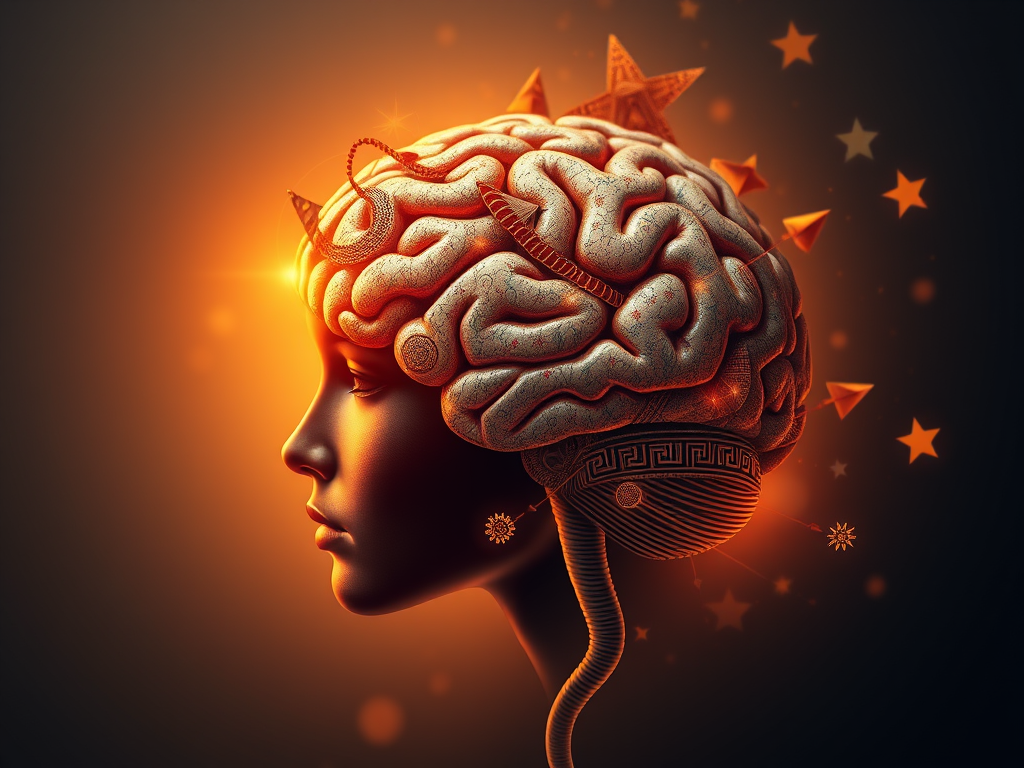
This article explores mental wellness through the lens of cultural and philosophical definitions of the mind, tracing its etymology, comparing global theories, and examining how these perspectives shape mental health approaches worldwide.
This article explores mental wellness through the lens of cultural and philosophical definitions of the mind, tracing its etymology, comparing global theories, and examining how these perspectives shape mental health approaches worldwide.
The Etymology and Evolution of “Mind”
The word “mind” originates from the Old English gemynd, meaning “memory, thought, intention.” Its Proto-Germanic root ga-mundiz connects to memory, while the Latin mens (as in “mental”) refers to intellect and soul. Over time, the concept evolved:
Ancient Greece: Plato and Aristotle debated whether the mind (nous) was separate from the body (dualism) or an emergent property of it (materialism).
Medieval Europe: The mind was tied to the soul, heavily influenced by Christian theology.
Modernity: Neuroscience now views the mind as a product of brain activity, though debates on consciousness persist.
This linguistic journey reveals how culture shapes our understanding of cognition and mental health.
Theories of the Mind: A Global Perspective
The Western (Greco-Roman) View
Dualism (Descartes): The mind and body are separate; mental illness is a “soul sickness.”
Materialism (Hobbes): The mind is purely physical; disorders stem from brain dysfunction.
Cognitive-Behavioural Theory: Focuses on thought patterns, dominant in modern psychology.
The African View of the Mind
African philosophies often see the mind as interconnected with community and spirit. Key concepts:
Ubuntu (“I am because we are”): Mental wellness is tied to social harmony.
Ancestral Influence: Some mental illnesses are viewed as spiritual disturbances (e.g., amafufunyana in Xhosa culture).
Research: A 2019 study in Transcultural Psychiatry found that 60% of South Africans consult traditional healers before psychologists, blending spiritual and biomedical approaches.
Eastern Philosophies: Buddhism & Vedanta
Buddhism: The mind is a stream of consciousness; suffering (dukkha) arises from attachment. Meditation and mindfulness are key to mental balance.
Vedanta: The mind (manas) is distinct from the eternal self (atman). Mental disturbances stem from illusion (maya).
Indigenous South American Perspectives
Shamanism: Mental illness may be a spiritual imbalance cured through rituals (e.g., ayahuasca ceremonies in Amazonian cultures).
Collective Healing: Like Ubuntu, Andean cultures emphasize ayni (reciprocity) in mental wellness.
How These Views Impact Mental Wellness Today
Treatment Approaches
Western: Therapy, medication.
African: Community healing, ancestral rituals.
Eastern: Meditation, yoga.
South American: Plant medicine, communal support.
Stigma vs. Acceptance
In the West, mental illness is often medicalized; in many African and Indigenous cultures, it may be spiritualized, reducing stigma but sometimes delaying clinical care.
Integration in South Africa
Some clinics now blend traditional healing with psychotherapy, recognizing cultural relevance.
Conclusion: Toward a Holistic Understanding of Mental Wellness
Mental health cannot be divorced from cultural context. South Africa’s unique position—with its blend of African, Western, and global influences—offers a model for integrative mental health care. By learning from Vedanta’s introspection, Ubuntu’s collectivism, and neuroscience’s precision, we can develop more inclusive, effective mental wellness strategies.
Call to Action
How does your culture view mental health? Share your thoughts—let’s broaden this conversation!